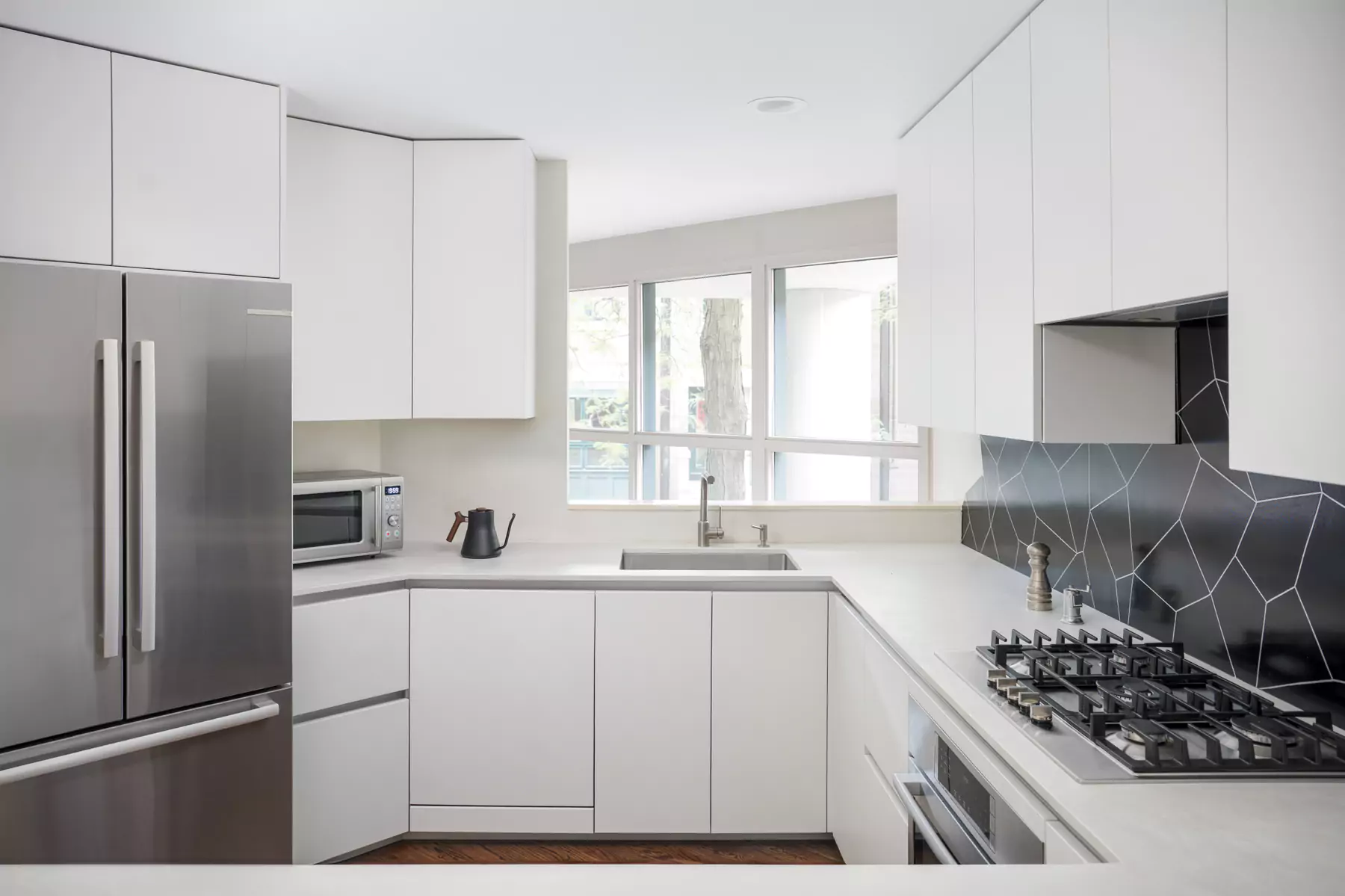
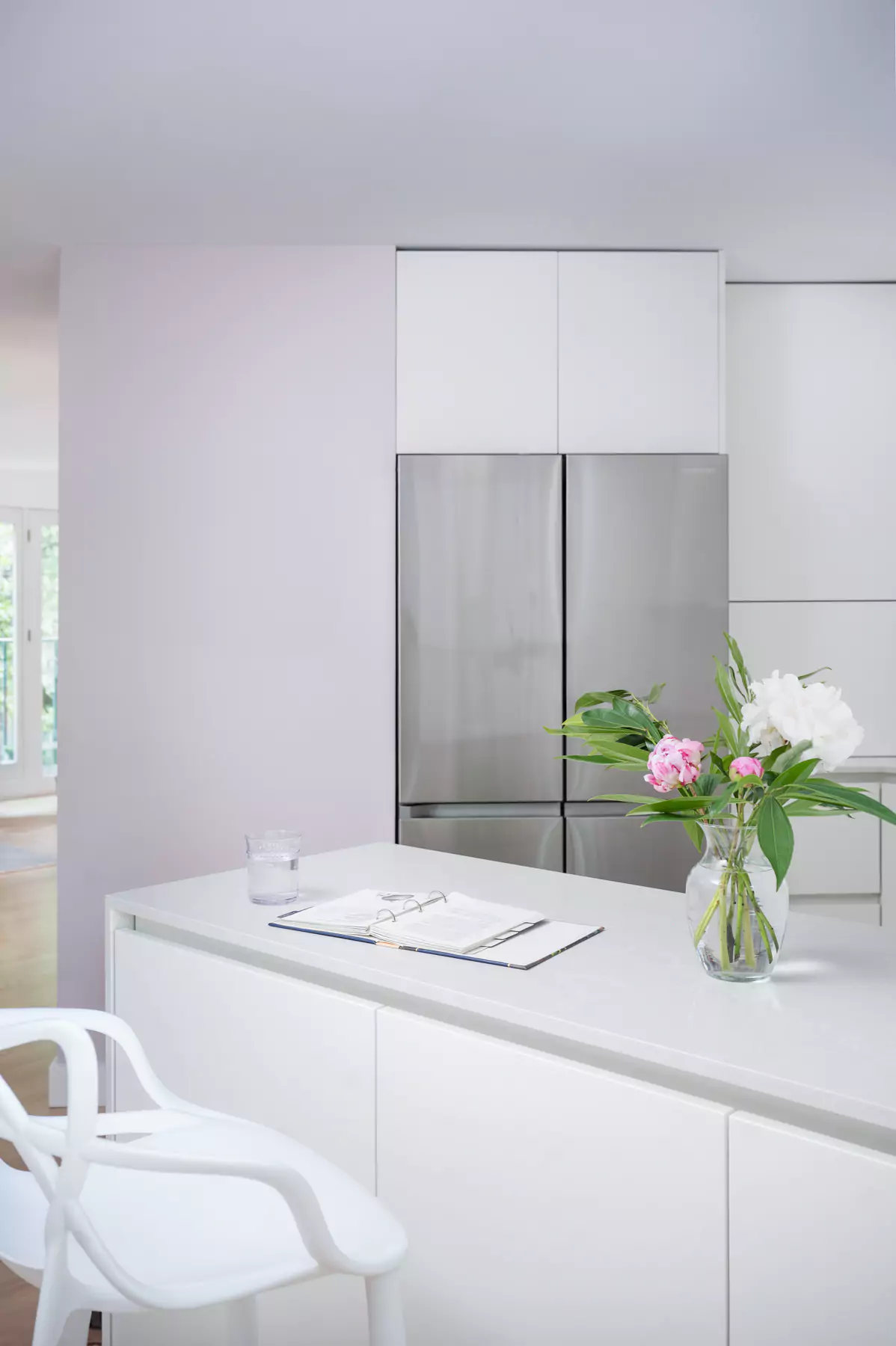
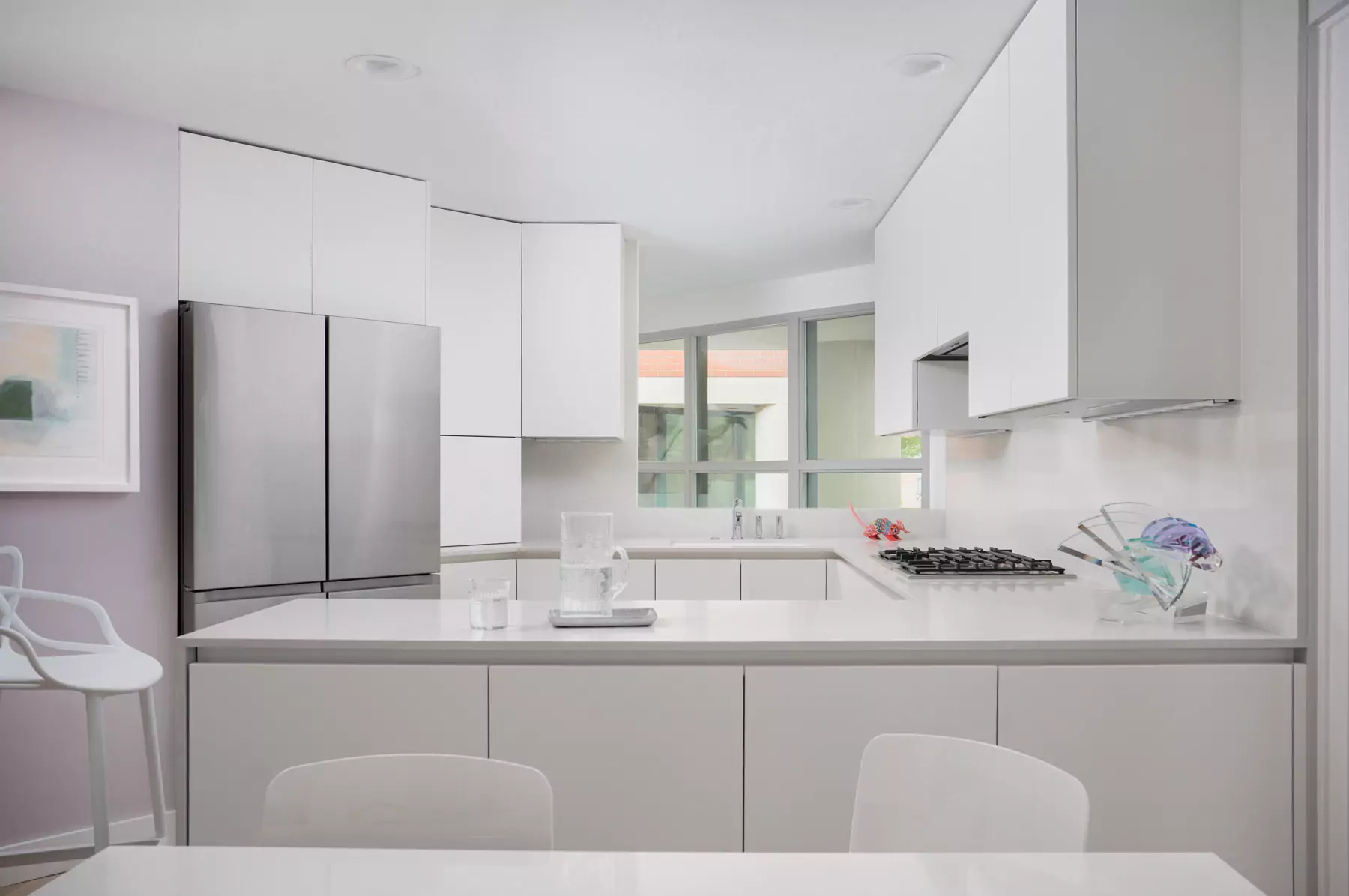
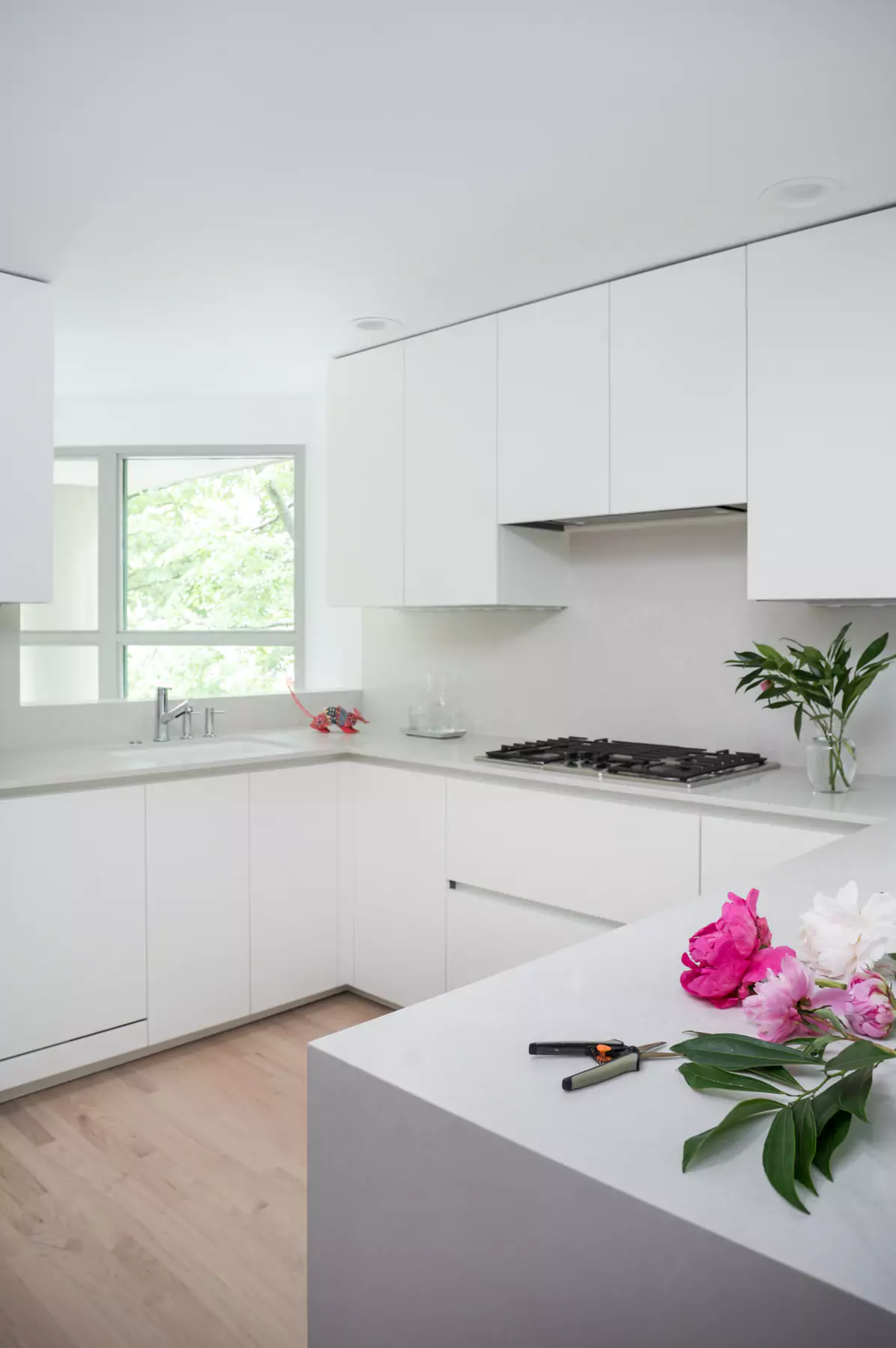
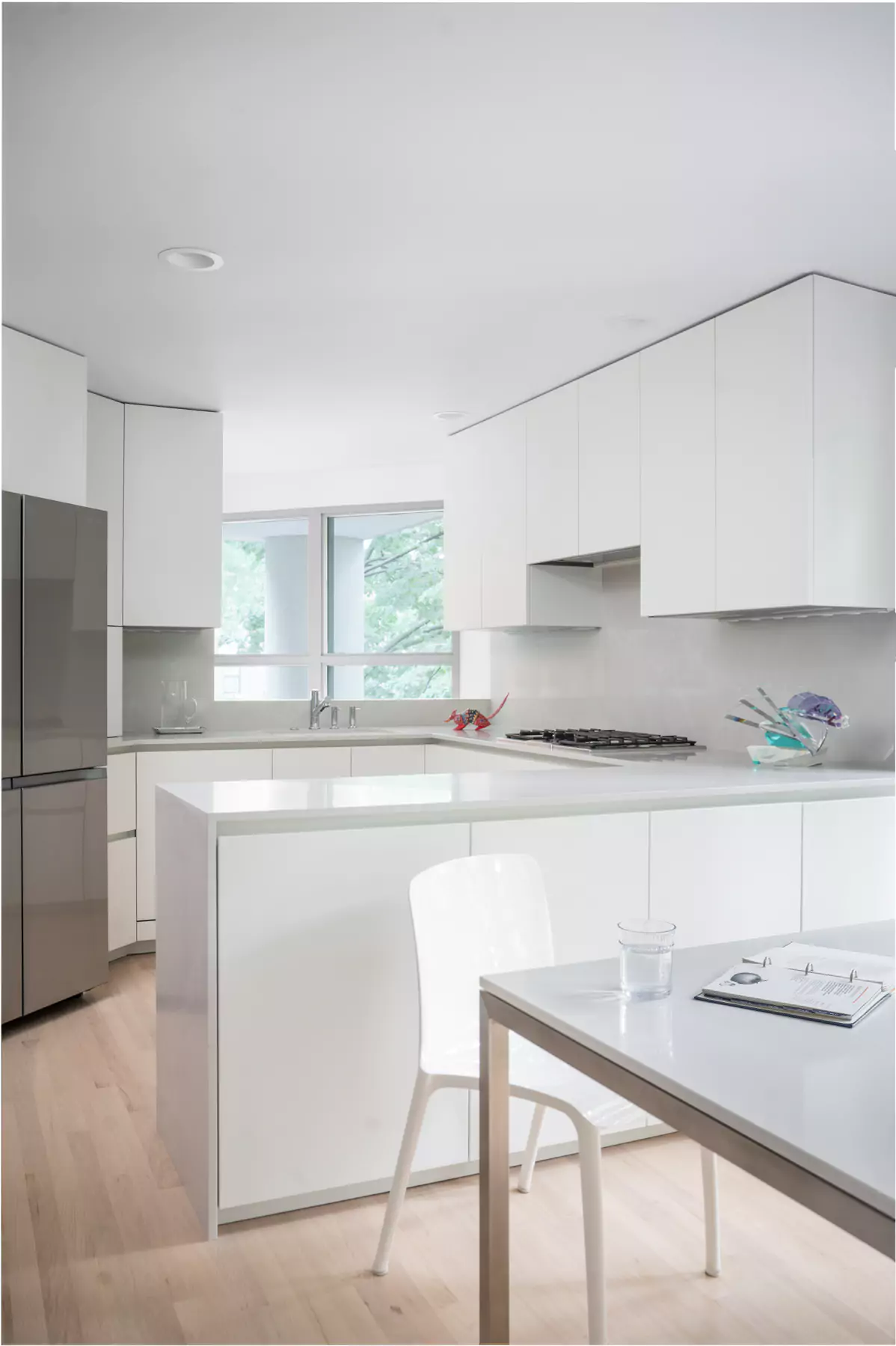
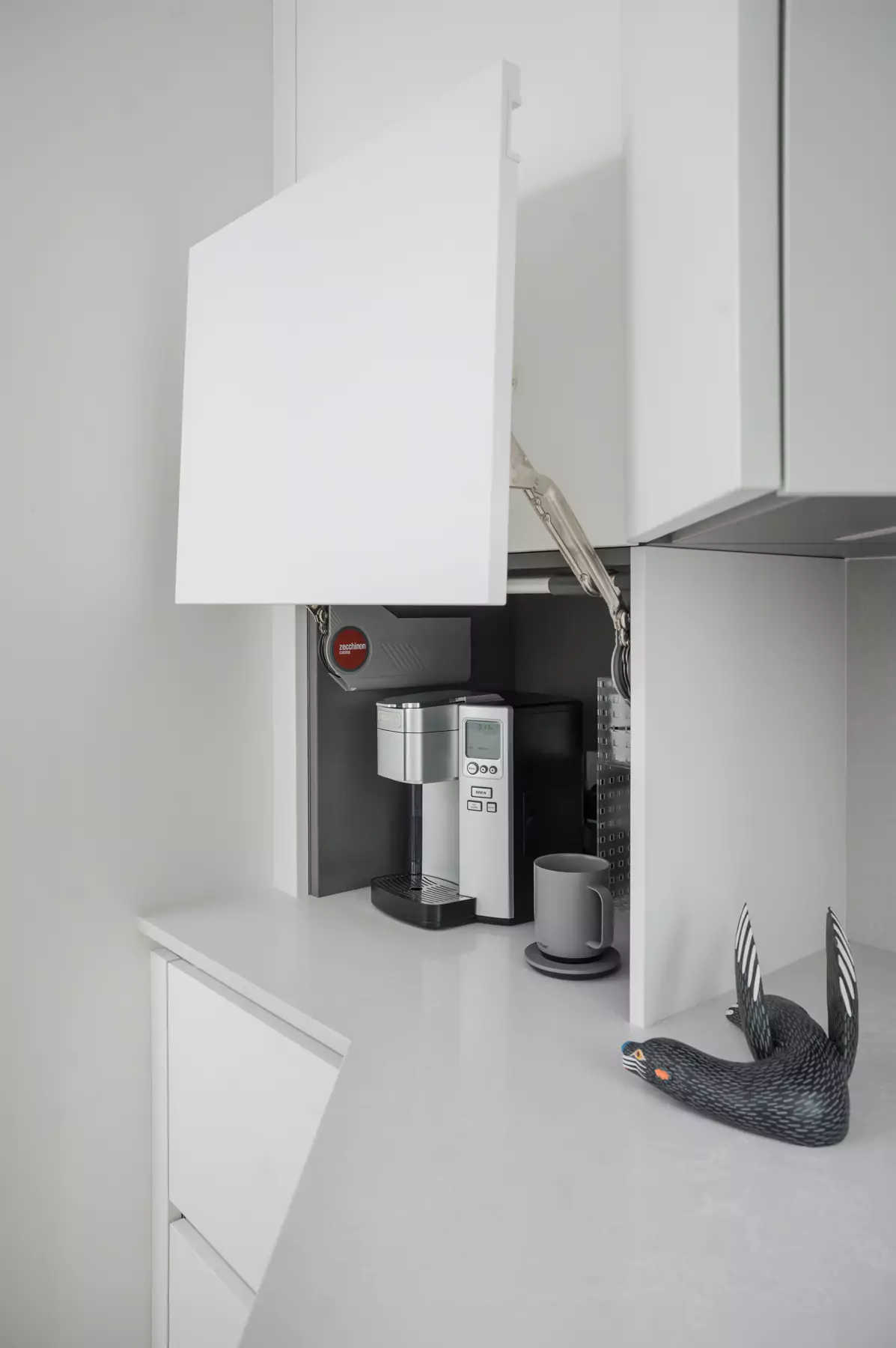
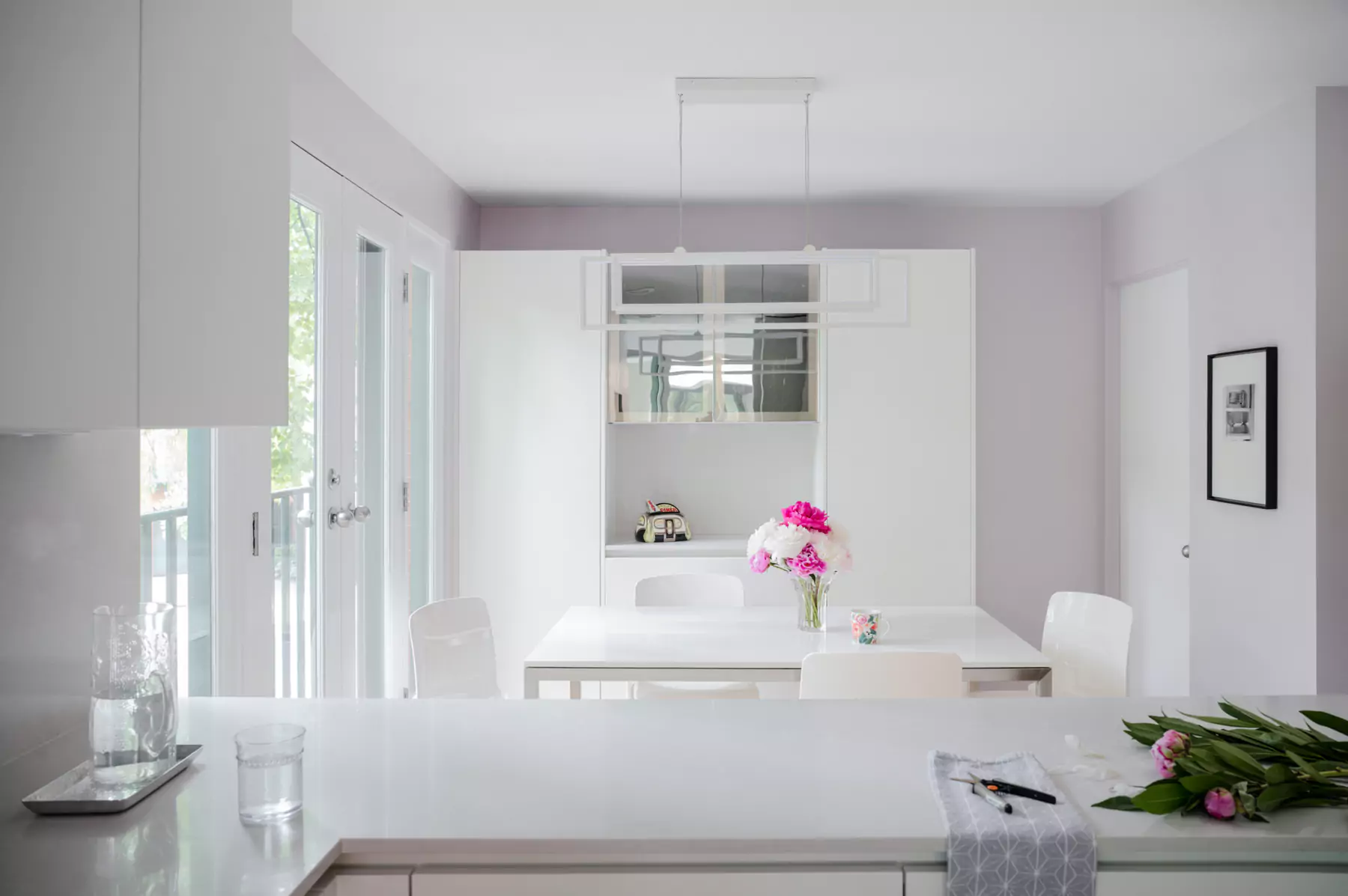
contemporary kitchen by Zecchinon City Commons in White
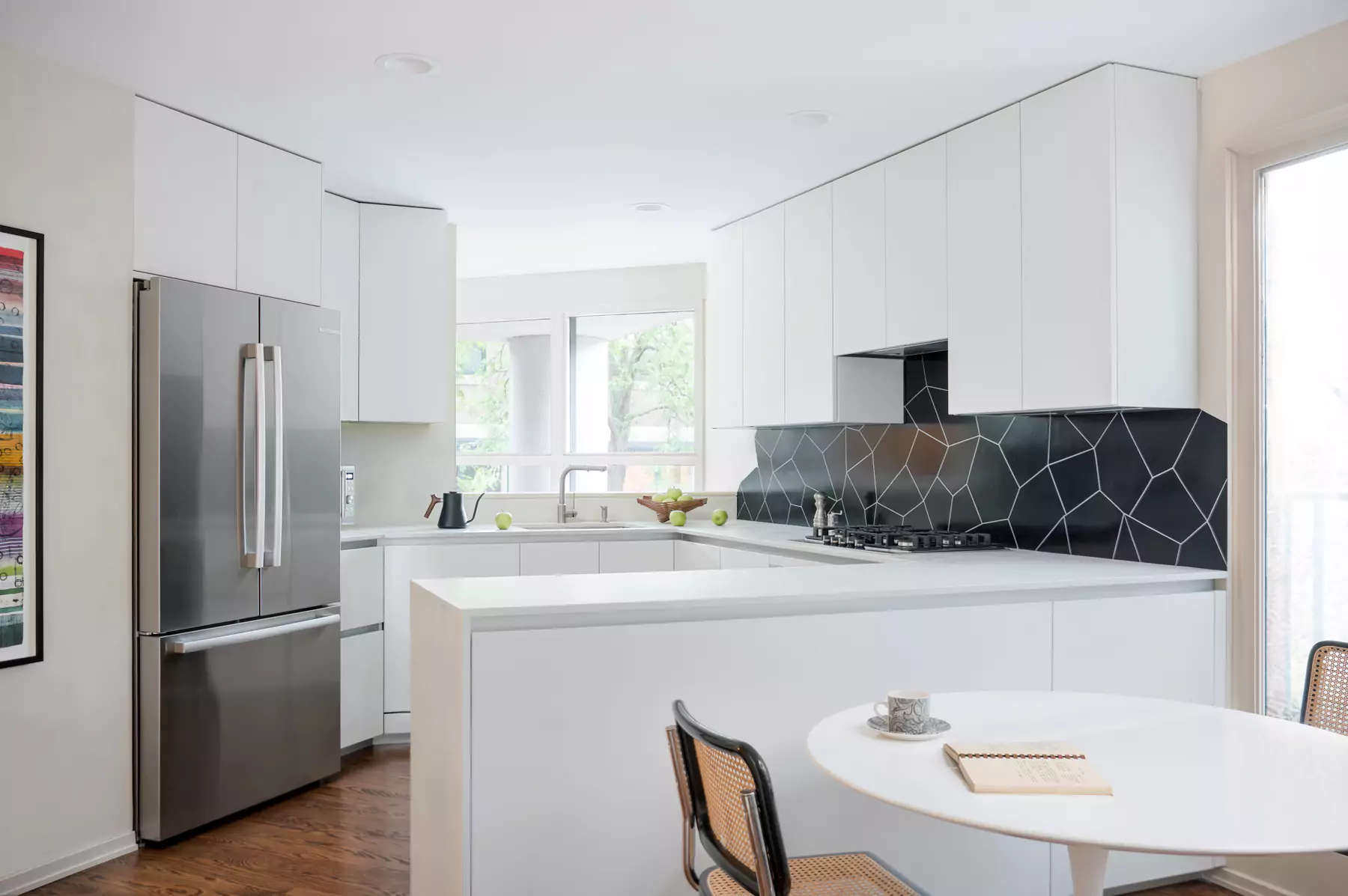
Despite their timeless appeal, all-white kitchens are a deceptively polarizing design trope. While some people applaud the pared-back palette for its enduring versatility and sophistication, die-hard maximalists might find these spaces on the snoozier end of the spectrum. However, choosing white goes beyond mere aesthetics; it’s about creating a welcoming environment that fosters creativity and culinary exploration in your kitchen. If you’re not sure which side of the great kitchen debate you fall on, we’re here to make a case for the neutral culinary corner.
Additionally, the choice of white offers a unique way to brighten up smaller kitchen spaces. For instance, in urban apartments where kitchen sizes can be limited, an all-white design can create an illusion of a larger area. Light reflects off white surfaces, making the space feel airy and open. Consider incorporating large windows or glass doors that allow natural light to pour in, further enhancing the effect. This combination of natural and design elements can turn a compact kitchen into a welcoming hub for gatherings and meal preparations.
Moreover, white kitchens are incredibly versatile when it comes to style. Whether your home leans towards modern minimalism, rustic charm, or even classic elegance, white can adapt to your desired aesthetic. A farmhouse-style kitchen, for example, can be beautifully complemented with white cabinetry paired with vintage hardware and farmhouse sinks. On the other hand, a sleek, contemporary kitchen can utilize high-gloss white finishes and stainless steel appliances to achieve a futuristic look. This adaptability ensures that your white kitchen will remain stylish through changing trends.
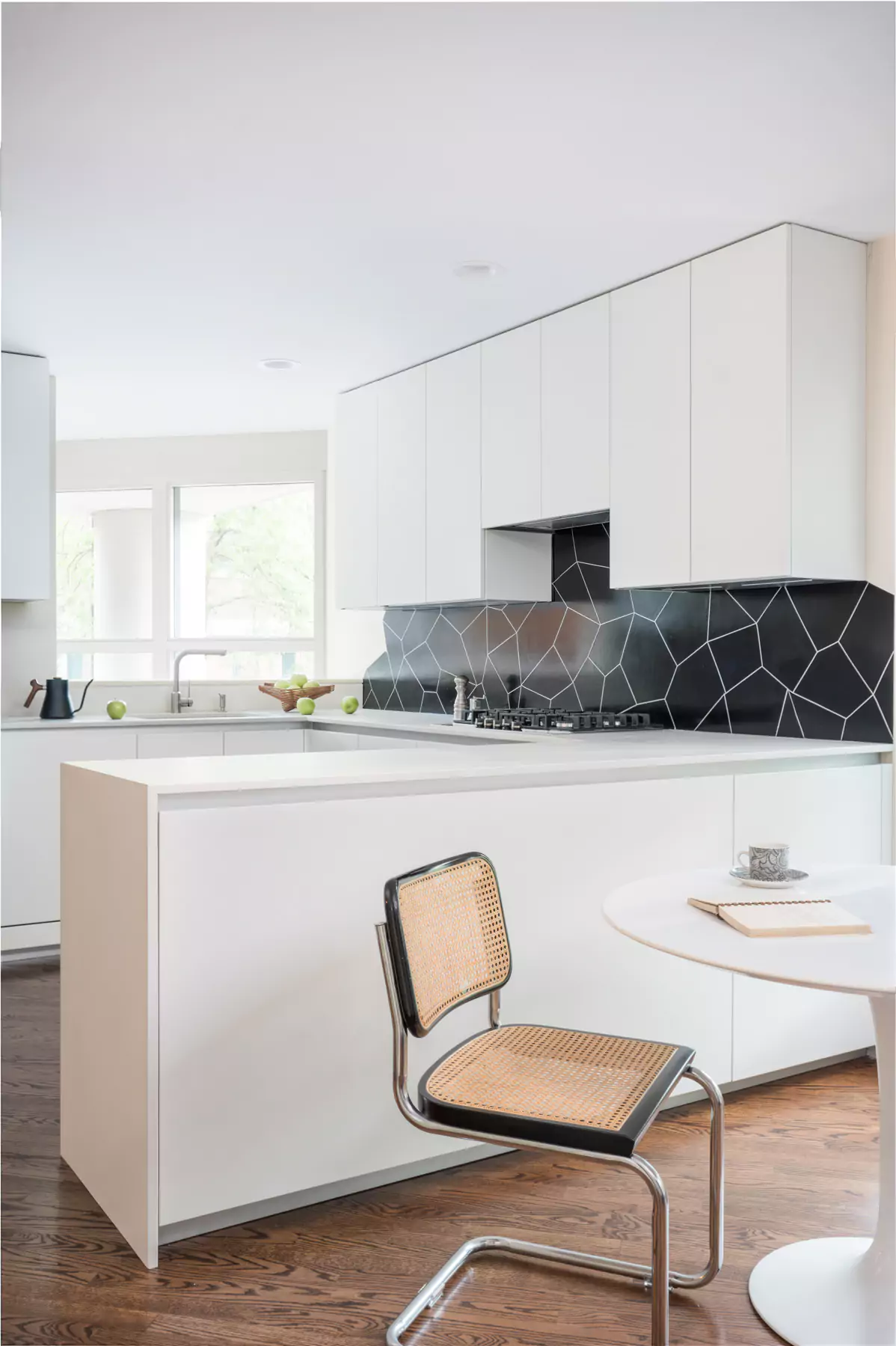
If you want a kitchen that will last a lifetime, white is a classic color that will always be in style. All-white spaces serve as a prime canvas upon which one can bring in daring accessories and bold accents, creating a dynamic interplay between the starkness of white and the vibrancy of color. Imagine accenting white cabinets with a stunning blue backsplash or introducing warmth through wooden elements. These contrasts not only enhance visual interest but also allow for personal expression in your kitchen.
In addition to aesthetics, practicality should also be considered when designing your kitchen. White surfaces can be easily cleaned and maintained, making them a suitable option for a space that sees a lot of activity. For example, stains from food spills or grease can be wiped away with minimal effort, maintaining the pristine look of your kitchen. Furthermore, using high-quality, durable materials such as quartz or porcelain for countertops ensures that your all-white kitchen remains not only beautiful but also functional for years to come.
Kitchen 01
To further enhance your all-white kitchen, consider the incorporation of greenery. Plants can introduce life and vibrancy into the space, creating a more inviting atmosphere. Herbs like basil or rosemary planted in stylish pots on a windowsill not only serve as décor but also provide fresh ingredients for cooking. This integration of nature can make your kitchen feel warm and alive, encouraging creativity in cooking and meal preparation.
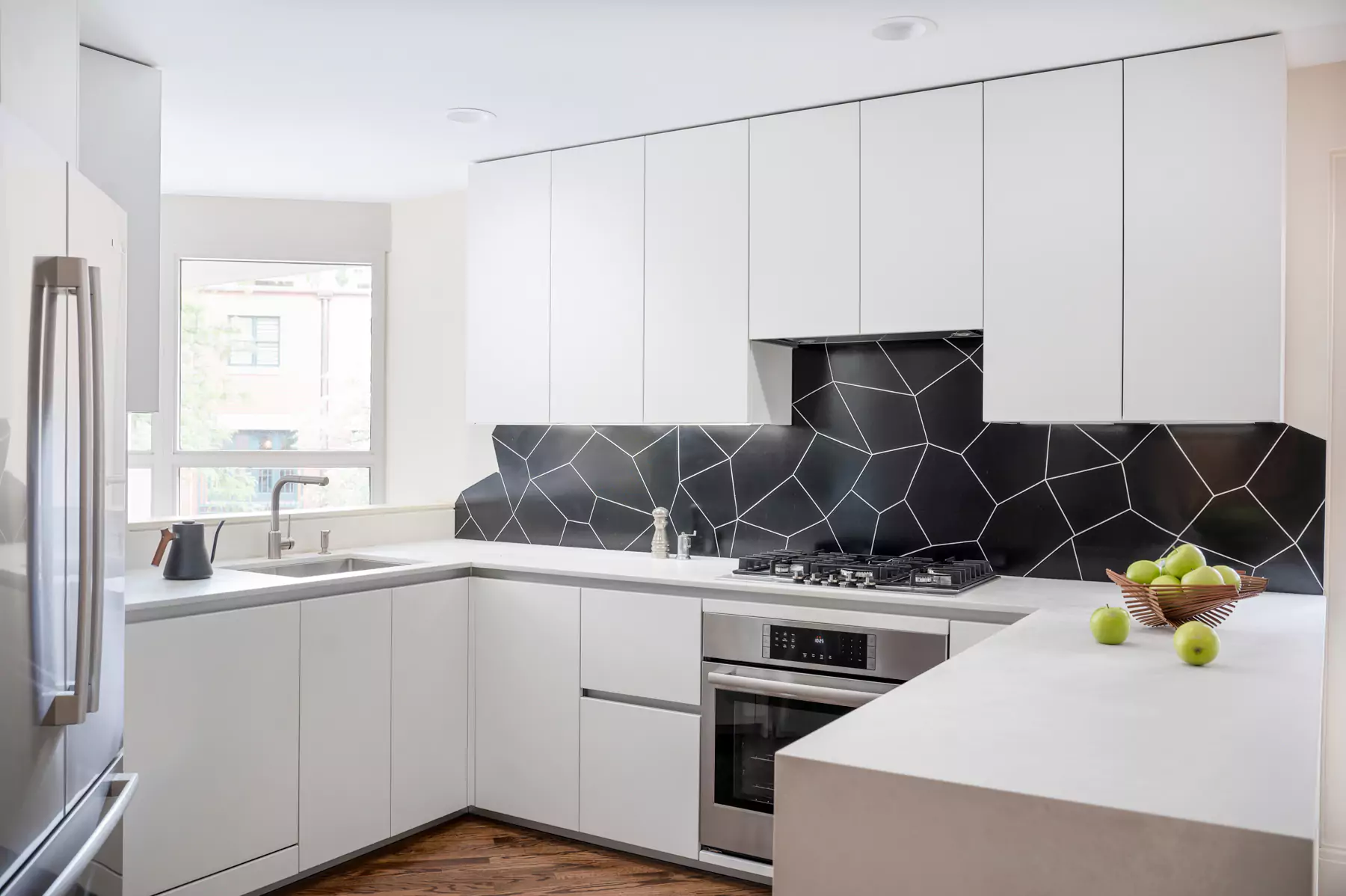
Another critical aspect is the lighting. A well-lit kitchen can drastically impact the overall feel of the space. Consider recessed lighting or pendant lamps that hang above work areas or kitchen islands. Opting for warm-toned bulbs can create a cozy atmosphere, while brighter LEDs can provide a clean, modern look. The strategic placement of lighting fixtures can highlight architectural details and bring attention to design elements that make your all-white kitchen unique.
It’s also worth noting that an all-white kitchen can serve as a blank canvas for seasonal decorating. During holidays or special occasions, you can easily change the ambiance with colorful décor, textiles, and accessories. A simple switch from summer’s bright colors to autumn’s warm hues can refresh the space without committing to permanent changes. This flexibility allows your kitchen to transform and adapt to the seasons, making it a vibrant part of your home year-round.
Kitchen 02
Lastly, if you are concerned about the potential for an all-white kitchen to feel sterile or cold, incorporating various textures can counteract this effect. Mix soft textiles, such as plush rugs, with sleek surfaces to create a balance that feels inviting. Additionally, wooden accents in the form of shelving, stools, or decorative items can introduce warmth and a touch of nature. By thoughtfully blending different materials, you can create a harmonious space that feels both stylish and comfortable.
Creating an inviting kitchen atmosphere is essential, and an all-white design can help you achieve that. By choosing the right textures and materials, you can add depth and character to your kitchen. For instance, pairing white cabinetry with wooden countertops or colorful decor can break the monotony and make the space feel more dynamic.
With these considerations in mind, it’s clear that an all-white kitchen is not just a trend but a timeless choice that can be personalized to fit your lifestyle. The combination of functionality, aesthetic appeal, and adaptability makes it a favored option among homeowners. By implementing these tips, your kitchen can become a cherished space for culinary adventures, family gatherings, and memories that will last a lifetime.
In conclusion, the all-white kitchen is a versatile and enduring design choice that can suit various tastes and preferences. Embracing the color white allows for creativity in design and functionality while maintaining an elegant and timeless appeal. Whether you’re renovating an existing space or designing a new kitchen, consider the benefits of going all-white. With thoughtful planning, your kitchen can be a bright, inviting, and practical space that reflects your personal style and meets the demands of everyday life.